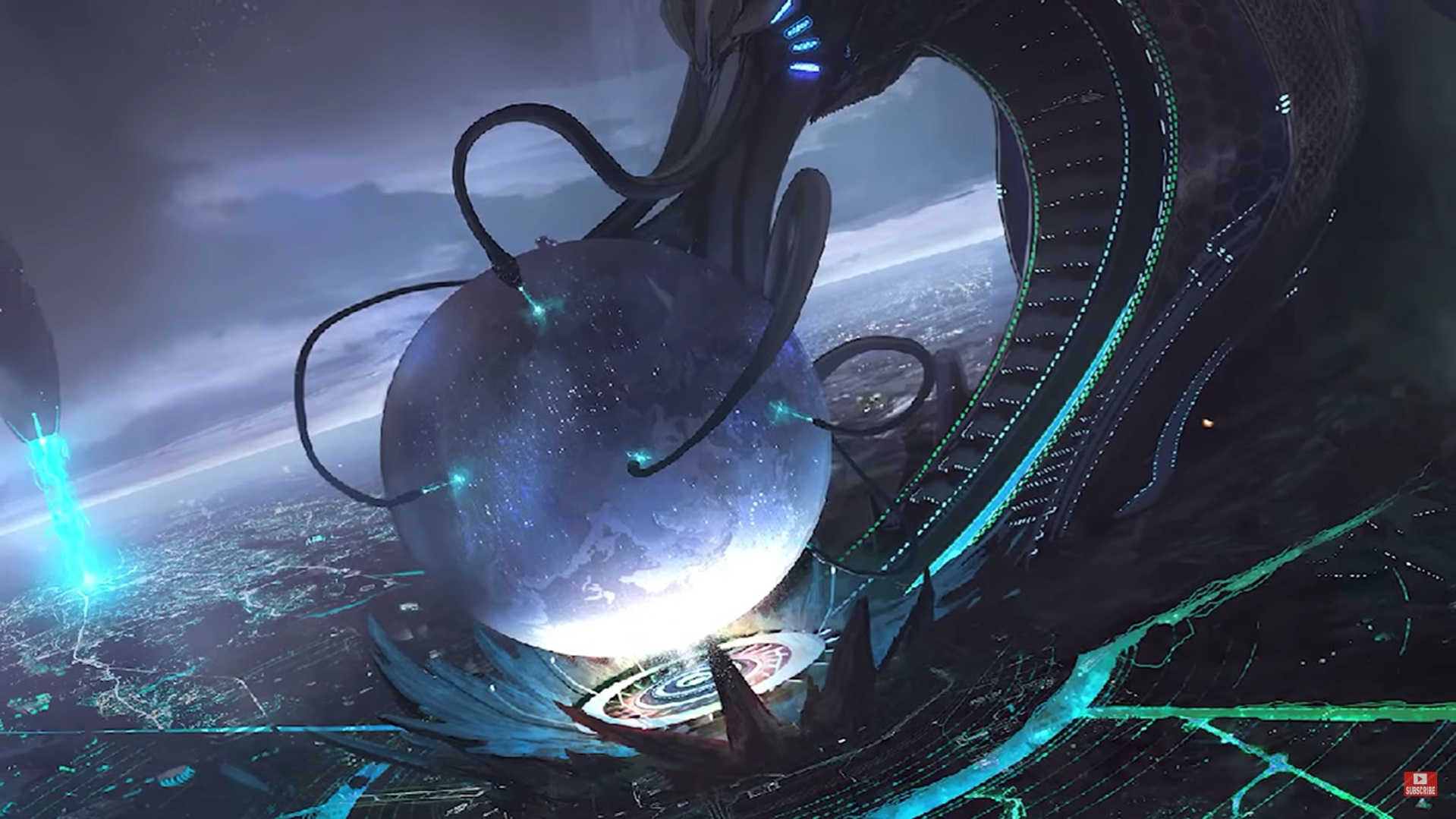
The Breath of the Gods Super Weapon Warhammer Art
The Breath of the Gods: A Time-Manipulating Superweapon in Warhammer 40K
This picture shows the giganticness of this super weapon. It was created a long time ago and is super powerful.
The Mysterious Superweapon
The Breath of the Gods is one of the most enigmatic and powerful relics in the Warhammer 40K universe, primarily featured in Priests of Mars by Graham McNeill. Unlike traditional weapons of mass destruction, this device does not rely on brute force but instead possesses the ability to manipulate time itself. The true nature of the Breath of the Gods remains elusive, shrouded in Mechanicus secrecy and lost knowledge. Many within the Imperium, especially the Adeptus Mechanicus, believe it to be a relic of unfathomable significance, one that could alter the very fabric of reality if properly harnessed.
Power Over Time
The device is rumored to have the ability to reverse or accelerate time, an ability that could change history, undo catastrophic events, or bring entire civilizations to ruin in moments. This makes it one of the most dangerous artifacts in existence, as its misuse could unravel the natural order of the universe. In the hands of the Mechanicus, the Breath of the Gods could be a tool for unimaginable technological advancement, while for Chaos, it could become a weapon to corrupt time itself. The implications of its power are nearly limitless, making it one of the most coveted yet feared discoveries in the Imperium.
Origins and Mechanicus Interest
Like many ancient technological marvels, the origins of the Breath of the Gods are obscured by time, possibly dating back to the Dark Age of Technology. The Adeptus Mechanicus, ever in pursuit of lost knowledge, considers it a relic of immense value, worthy of study and reverence. Some speculate that it was created by an unknown xenos race or even the fabled Ancients, beings whose technological prowess surpassed anything known to mankind. Its function and design remain a mystery, but it